Tummy Time POV: Building Early Movement & Milestones
By Jessica Jordan, MS. OTR/L
Celebrating Early Milestones and Joyful Moments
Tummy time might seem simple, but it’s one of the earliest ways we support babies in building strength, awareness, and connection through movement. In a recent session, I was reminded just how powerful these early moments can be.
By the end of our 10-minute “baby bootcamp,” this little girl was rolling from prone to supine; it truly was so fulfilling and exciting to see the pure joy on the new parents' faces with this early milestone development!
These are the moments I live for—the joy and excitement families feel when they see their child thrive. Even if “milestones” aren’t hit as “expected,” it’s those moments where a parent and child share connection, movement, and play that matter most. 🥰
Why Tummy Time Matters for Sensorimotor Development
Tummy time supports so many foundational areas of development—including visual motor skills, sensory integration, and neck/back extensor strength. It’s a small practice that carries big developmental benefits over time.
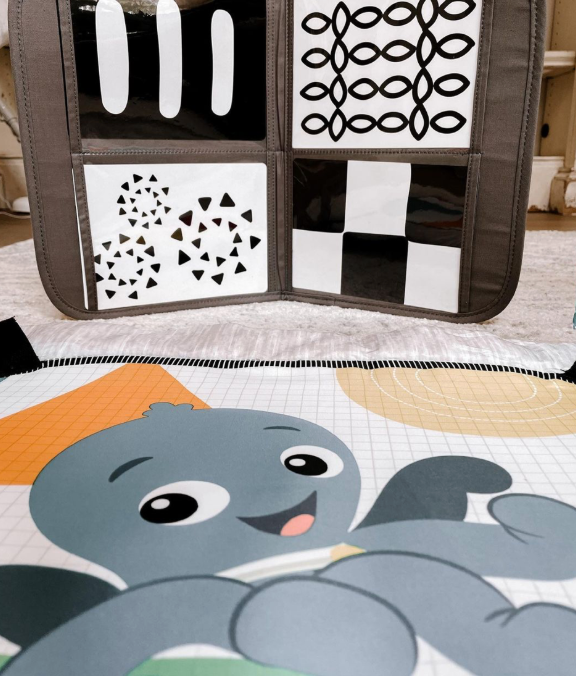
Who knows where these black and white cards are from? We use them to promote visual attention and early sensory engagement—and they’re one of my all-time favorite brands! 👇🏼 Comment below if you know!
Helpful Links
Was this post helpful or did it spark your curiosity? If you’re looking for deeper support, we’ve created a course and curated resources to help families, caregivers, and professionals better understand the motor and regulation challenges many nonspeaking and apraxic autistic individuals experience.
Online Course for Parents, Caregivers & Professionals:
Foundations in Apraxic Autism — an online course exploring the often-missed motor side of autism. Learn how motor planning, nervous system regulation, and the brain-body connection impact communication and daily life, along with practical ways to support the autistic individual in your life.
Explore Our Resource & Service Hub:
Explore our most trusted resources and favorite tools, or discover ongoing support options for families and professionals navigating autism, apraxia, and motor planning differences.
You might also like…