

INTENTIONAL MOTOR EXERCISES & WORKOUTS
Intentional Motor Coaching
Building intentional movement through purposeful practice.
Intentional motor exercises are purposeful movements designed to help an individual practice initiating, coordinating, and executing movements intentionally. For autistic individuals with whole-body apraxia, this work can be an important part of building access to movement, communication, and participation.
Intentional motor work is at the core of our approach. For many nonspeaking individuals, thoughts, intentions, preferences, and abilities may be far greater than what they can currently express or demonstrate through movement. Intentional motor exercises help build greater access to those movements, creating more opportunities for individuals to experience their lives more fully and intentionally.
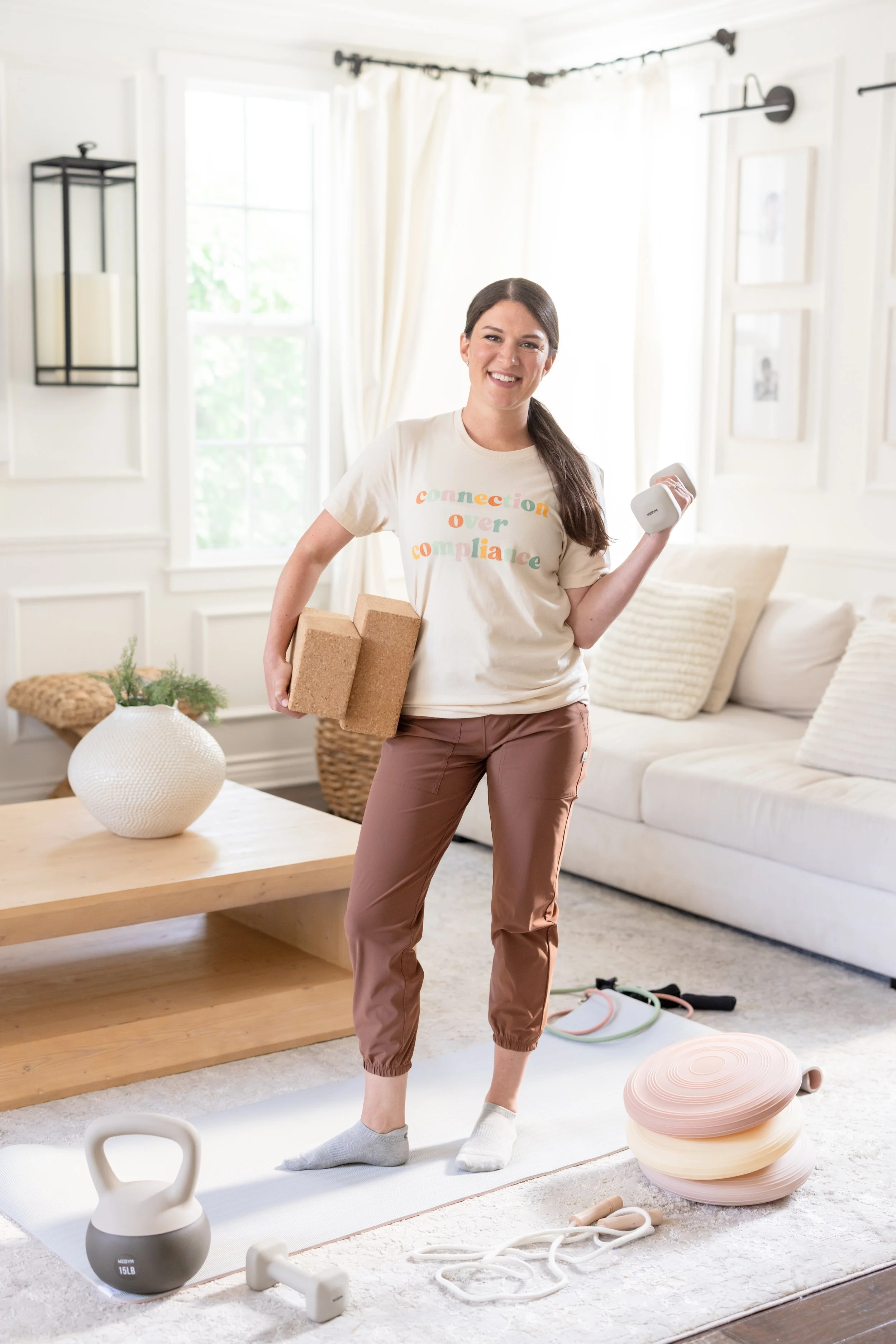
Intentional motor exercises help strengthen the motor pathways needed to turn intention into purposeful motor output.
Why Intentional Motor Matters
Many of the movements we make throughout the day happen automatically. This is helpful when you have intact praxis and control over your movements. For someone with whole-body apraxia aka “Profound Autism” these automatic patterns go beyond automatic and become impulsive or "stuck". This is where the body needs support from others to help re-wire the neural pathways for intentional movement. These movements are what is in true alignment with the individuals mind & heart, intentional motor is just that. It requires the brain and body to work together to plan and carry out specific actions.
These go deeper than personal training workouts, an individual may have the strength and physical ability to complete a movement, but the struggle is in the neuromotor mechanisms required to initiate or coordinate the movements intentionally.
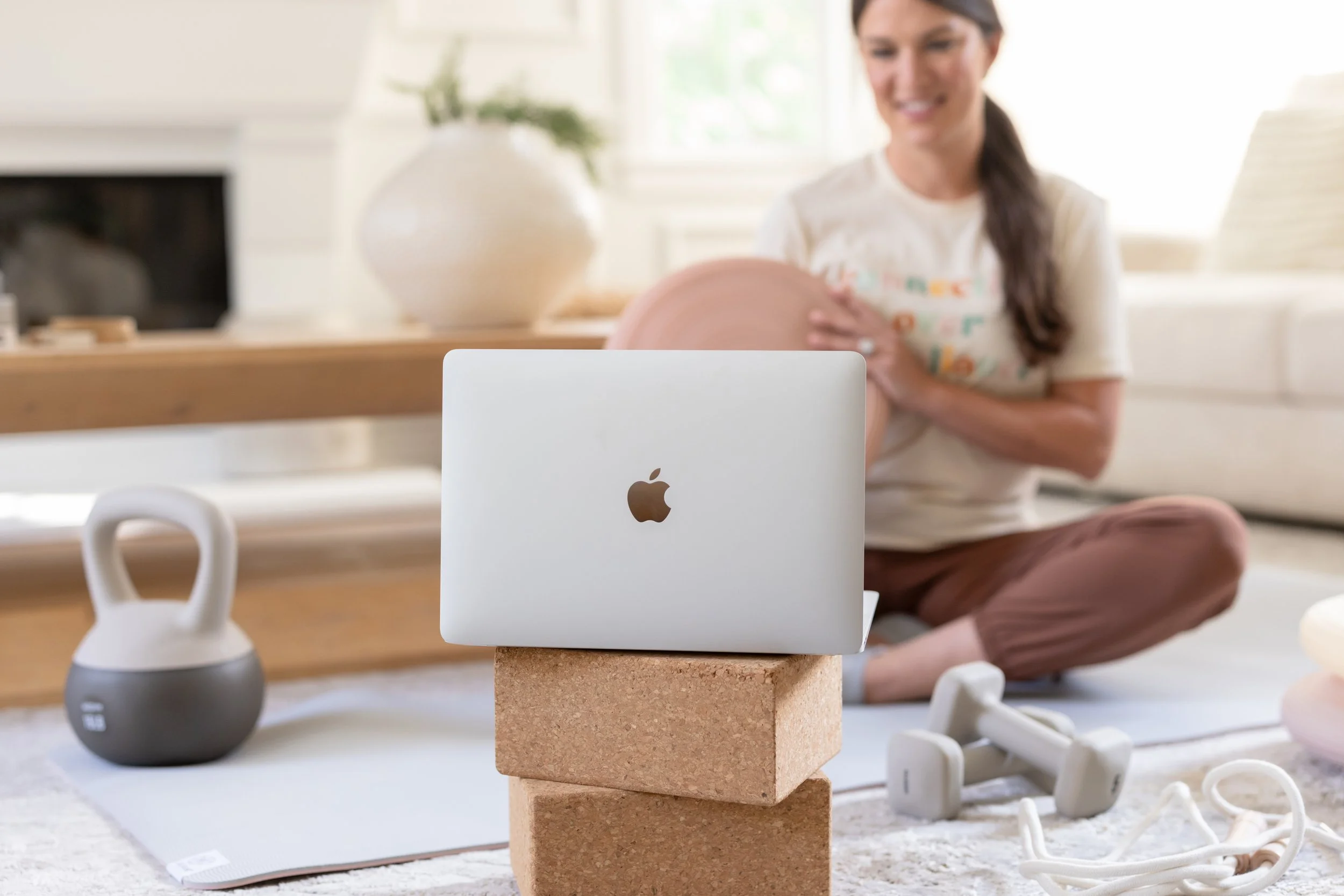

What Can Intentional Motor Work Look Like?
Intentional motor exercises can target many different areas of movement, including:
Upper-body movement
Hand and finger movements
Core and postural control
Balance and coordination
Crossing midline
Functional movements
Movement sequences
Strength and resistance
Rhythm and patterned movement
Yoga and mobility
Intentional motor work isn't a one-size-fits-all workout. Exercises can be adapted based on an individual's motor abilities, interests, goals, and current level of support.

Ways to Access Intentional Motor Support
Through our monthly membership
Members have access to a growing library of intentional motor exercise and coaching videos. You can use these videos to build intentional motor practice into your routine and create a workout plan that works for your individual needs.
For those who want more personalized guidance, the Rise Roadmap provides an opportunity to work with Erin to identify appropriate exercises and develop a customized intentional motor workout plan.
Through our California team
Our California Team provides in-person support for individuals who benefit from working on intentional movement with a therapist in their everyday environment.

Frequently Asked Questions
-
Intentional motor work can be especially beneficial for nonspeaking and unreliably speaking autistic individuals, including those who use spelling, letter boards, or other forms of AAC to communicate. Building strength, coordination, and motor control can support the physical skills needed for these forms of communication, while intentional motor exercises help strengthen the connection between the brain and the muscles needed to carry out purposeful movements. Exercises can be adapted to an individual’s current abilities, communication method, and goals.
-
Typical exercise often focuses on outcomes like strength, endurance, flexibility, or fitness. Intentional motor work focuses on the process of planning and carrying out a movement — including the ability to initiate a movement, coordinate the body, and adjust the movement as needed.
Building strength is important, but for individuals with whole-body apraxia, we are also working to help the brain and body work together to carry out intentional actions.
-
The Sunrise Membership launched this year, so we’re just getting started. We already have intentional motor exercises and motor coaching videos in the library, and we’ll continue expanding this collection over time, giving members more options to explore and incorporate into their routines.
There are three ways you can get intentional motor support:
1. Create your own plan: Explore the Sunrise Membership library and use the intentional motor exercise and coaching videos to build a routine that fits your individual needs.
2. Get a personalized roadmap: The Rise Roadmap is an add-on support option available exclusively through the membership. Erin reviews your specific situation and activities, meets with you for a 30-minute coaching session, and reviews submitted video to help identify the exercises, resources, and supports that make the most sense for where you are starting.
3. Build a customized workout plan: This add-on support option is available after completing a Rise Roadmap. Erin can help develop a customized intentional motor workout plan based on your specific needs and goals.
-
The Rise Roadmap is an add-on support option available exclusively through the Sunrise Membership. It gives you personalized guidance from Erin based on your individual situation. You’ll complete a 30-minute coaching session and submit video of your child/the individual you support working through specific motor tasks, activities, or challenges. When Erin can observe them in action, she has the ability to help you understand what’s working vs what isn’t, and which exercises, strategies, and supports may be most helpful.
These aren’t hypotheticals. You’ll be working through actual challenges with feedback and guidance based on what is happening in the moment. After your session and video review, Erin will provide a personalized roadmap outlining where to start and which resources, exercises, and supports from the membership may be most helpful for your individual needs.
Still have questions?
If you’re not sure where to start or have questions about intentional motor work, the Sunrise Membership, or personalized support, feel free to reach out. We’re happy to help you figure out the best place to start for your family and specific needs.