Gentle Mealtime Strategies for Neurodivergent Children
By Jessica Jordan, MS. OTR/L
Why Mealtimes Can Be Especially Challenging for Neurodivergent Kids
Feeding, eating, and mealtimes can be such a demanding time for so many parents, especially with a baby, toddler, or child, but they can be even more stressful for a neurodivergent child.
Why Positive Mealtime Associations Matter
My toolbox is not geared toward feeding, but what I can say is that I believe it is so important to create a positive association between food and eating, not just for nutritional needs but for a child’s physical, mental, and emotional well-being. This is important for a child, regardless of whether they are autistic or not!
Gentle Feeding Strategies to Try
Here are a few of my favorite general feeding strategies that I give to any of the families I work with and try to even remember with my own family!
Make Mealtimes Shared & Intentional
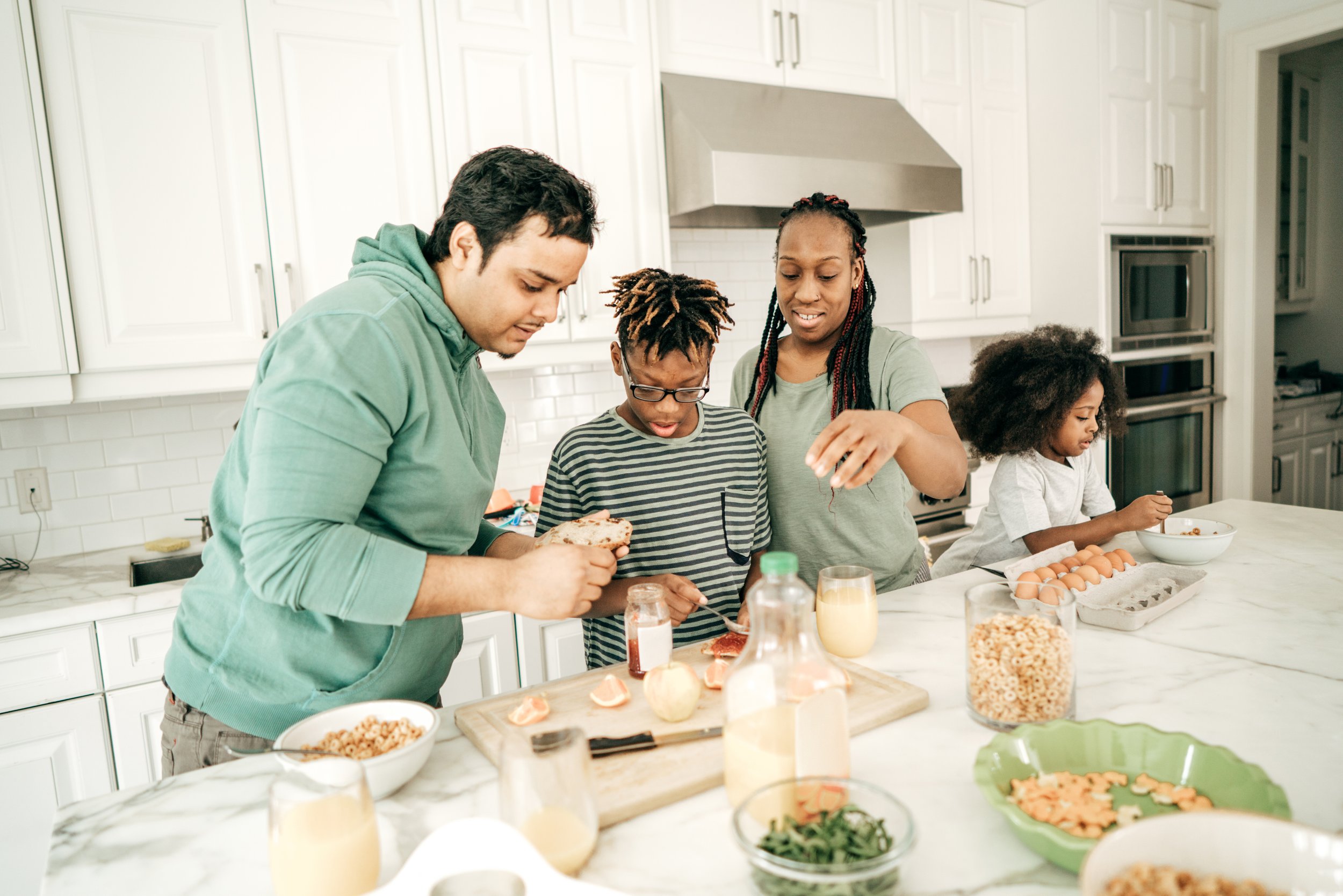
Sharing a meal together is an opportunity for a family bonding experience. It’s a chance to strengthen relationships and communicate as a family, as well as build a positive and healthy routine surrounding food. Kids learn from repetition, exposure, observation, and modeling (from you)! In our home, we make this time very intentional. We talk about our highs and lows from the day, sit in candlelight during the winter months, and keep phones and tablets away from the table. My children are also asked to be excused when they’re finished eating, which helps preserve the sense that this is shared family time.
Make Food A Topic of Curiosity and Creativity
One way to do this is by talking about food properties, varieties, preparation, and preferences. After typing that, the first example that came into my mind was an apple. An apple can be served in its whole form, sliced, shaved, and baked into chips, or even cooked into a puree (plus more). Each version looks, feels, and tastes a little different. Altering foods can be so fun and playful, not just for kids, but even for adults!
It’s also important to remember that a child’s primary occupation is play. When food is offered in a play-based way, it can become intrinsically motivating. One example of this is using simple tools or shapes to make food more visually interesting. My daughter loved it when I used a cookie cutter and made her homemade unicorn pancakes!
Food curiosity can also grow through shared experiences in the kitchen. My children love helping me bake banana bread. While we are preparing it, we talk about what other ingredients might be fun to add to the recipe (i.e., chocolate chips, raisins, nuts, cranberries, etc.). These moments allow children to engage with food without the expectation that they need to eat it—they’re simply noticing, participating, and learning.
These kinds of experiences help children build familiarity with foods in a low-pressure way. That foundation of curiosity and play naturally carries over to mealtime.
Introduce A Learning Plate
A learning plate is a small, separate plate placed on the table alongside a child’s regular meal. Its purpose is simple: to introduce new flavors and textures in a low-pressure way—without bribes, expectations, or demands to eat.
On the learning plate, you might place one or two foods that are unfamiliar, less preferred, or still being learned. These foods are offered in addition to foods your child already feels comfortable eating, not instead of them. This helps keep mealtime predictable and safe while allowing new foods to be present.
The learning plate creates a non-judgmental, neutral space where unfamiliar foods can be noticed, touched, smelled, or ignored entirely. There is no direct spotlight on the child, and no requirement to taste. The goal isn’t to get a child to eat something new—it’s to give their nervous system repeated, calm exposure to food in a shared family setting.
With a learning plate, children are free to engage at their own pace. Some days, they may explore. Other days, they may choose not to. Both responses are expected and respected. Everyone at the table is part of the learning process, which helps shift mealtime away from performance and toward curiosity.
Final Thoughts on Sensory-Friendly Mealtimes
Let me know if you try any of the strategies above and if they help create a more positive association with feeding, eating, and mealtimes for your child. Also, feel free to reach out, we have trusted colleagues and local small business owners who we can refer to who specialize in feeding.
Helpful Links
Was this post helpful or did it spark your curiosity? If you’re looking for deeper support, we’ve created a course and curated resources to help families, caregivers, and professionals better understand the motor and regulation challenges many nonspeaking and apraxic autistic individuals experience.
Online Course for Parents, Caregivers & Professionals:
Foundations in Apraxic Autism — an online course exploring the often-missed motor side of autism. Learn how motor planning, nervous system regulation, and the brain-body connection impact communication and daily life, along with practical ways to support the autistic individual in your life.
Explore Our Resource & Service Hub:
Explore our most trusted resources and favorite tools, or discover ongoing support options for families and professionals navigating autism, apraxia, and motor planning differences.
You might also like…