Child-Led Play: Building Skills Through Exploration
By Jessica Jordan, MS. OTR/L
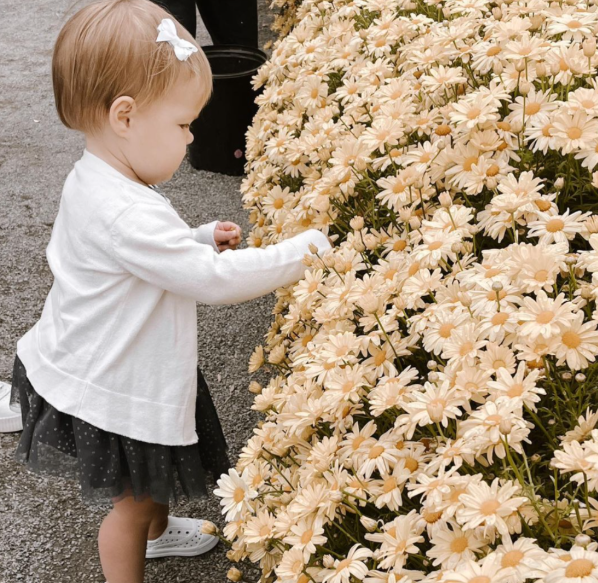
A weekend reminder to stop and smell the flowers today!
This little one is developing balance, crossing midline, visual motor integration, fine motor, and tactile processing skills—all within a natural environment and with her own intrinsic motivation to explore the flowers.
Child-led play in outdoor spaces offers rich opportunities for sensorimotor development, emotional regulation, and body awareness. When children are given the space to follow their curiosity, they often engage in exactly the types of movement and sensory experiences their bodies need.
This moment may look simple—but it reflects a complex dance between motor planning, environmental interaction, and sensory exploration. And best of all, it’s joyful.
How might you create space for child-led exploration this weekend?
Helpful Links
Was this post helpful or did it spark your curiosity? If you’re looking for deeper support, we’ve created a course and curated resources to help families, caregivers, and professionals better understand the motor and regulation challenges many nonspeaking and apraxic autistic individuals experience.
Online Course for Parents, Caregivers & Professionals:
Foundations in Apraxic Autism — an online course exploring the often-missed motor side of autism. Learn how motor planning, nervous system regulation, and the brain-body connection impact communication and daily life, along with practical ways to support the autistic individual in your life.
Explore Our Resource & Service Hub:
Explore our most trusted resources and favorite tools, or discover ongoing support options for families and professionals navigating autism, apraxia, and motor planning differences.
You might also like…