Benefits of Outdoor Time in Pediatric OT
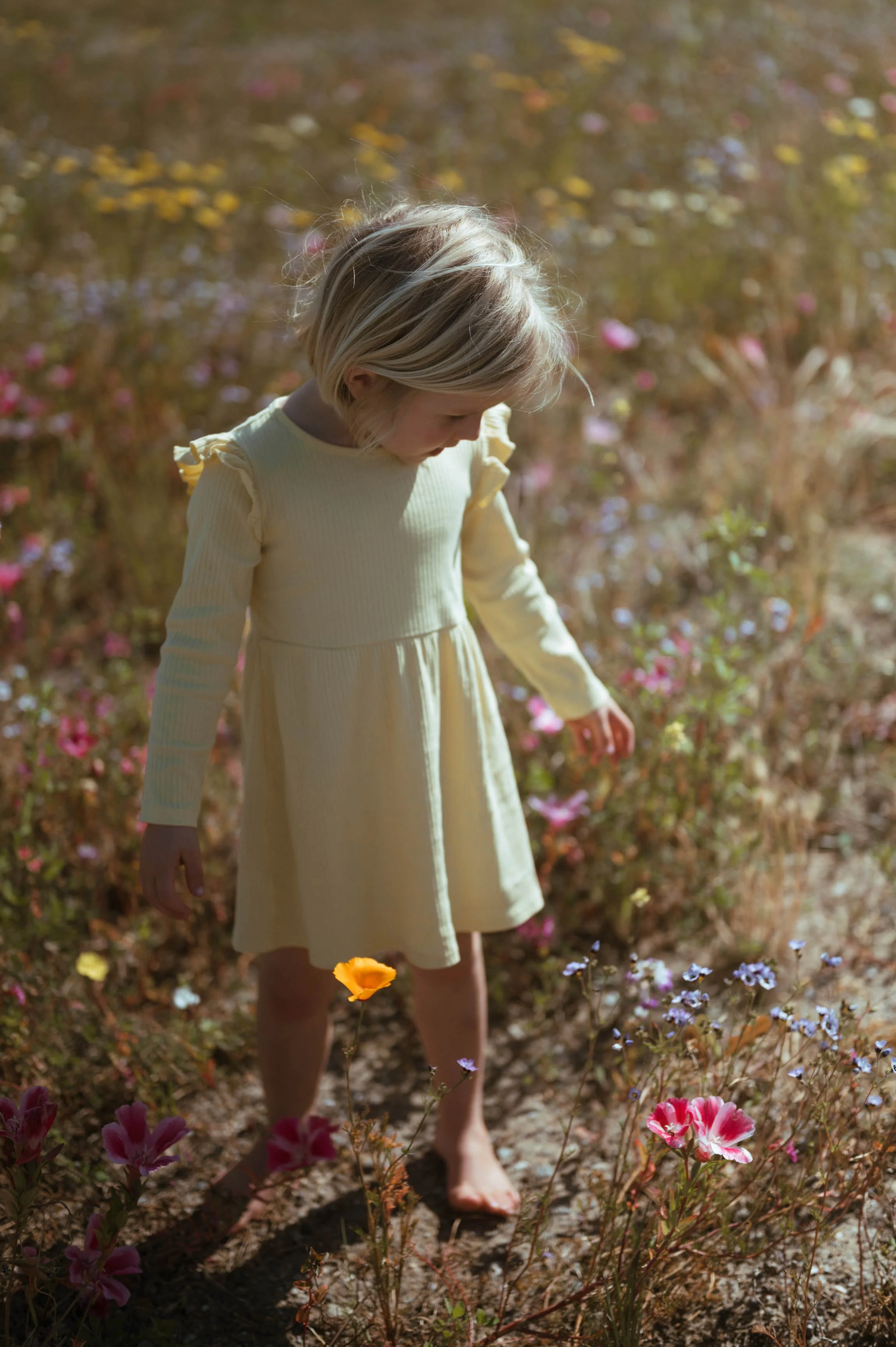
By Jessica Jordan, MS. OTR/L
Recent Changes in School Legislation Encourage Outdoor Time
Recent changes have been implemented in school districts across California, offering full-day kindergarten and increasing the amount of time students spend outdoors. As a pediatric school-based OT, my heart skipped a beat!
More recess and more time outside allow related service providers—and OTs like myself—to work with students in their natural learning environments. This helps support motor, sensory, and social development in ways that are meaningful and rooted in everyday routines.
The Magic of Nature-Based Therapy
Now, let’s speak to the component of being outside in nature. Nature itself can be a powerful tool in therapy. It can be integrated into sessions intentionally—like targeting a child’s finger dexterity while pointing to butterflies—or it can act as a passive backdrop that helps the nervous system regulate.
There are many reasons why taking therapy sessions outdoors can be so beneficial for students and clients of all ages. Being surrounded by natural elements provides rich sensory input, promotes emotional regulation, and gives us access to movement opportunities that are hard to replicate indoors.
Play Is an Occupation for All Humans
To start, “As a species, we have spent 99% of our existence as hunter-gatherers, immersed in the natural world.” In 1984, the American biologist Edward O. Wilson popularized the idea of biophilia—the concept that humans have an innate need to connect with nature, even if it’s been stripped away by modern life.
One possibility is that this deep-rooted appeal means that outdoor therapy provides a special form of connection, safety, and predictability.
I also believe that when individuals are outside, they naturally associate the outdoors with play! As a pediatric occupational therapist, one of my main goals is to promote play because we understand the value it holds as a meaningful occupation in a child’s life.
Playing outside—or even simply being outside—gives us a mental reset. It offers a break from the flashing screens and vibrating phones, and sparks an individual’s creativity and curiosity through outdoor play.
Outdoor time also supports:
Natural sensory experiences
Gross motor skill development
Executive functioning and critical thinking skills
And let me remind you—“play” isn’t only an occupation for children. It’s essential for all of us. Play is one of the most powerful tools we have for happiness, stress relief, and self-regulation.
We’d Love to Hear from You
Overall, it’s a win for our bodies, our brains, and our spirits.
Let us know below how you’ve been spending time outside lately. We’d love to hear your favorite outdoor activities or how nature has supported your child’s growth!
Helpful Links
Was this post helpful or did it spark your curiosity? If you’re looking for deeper support, we’ve created a course and curated resources to help families, caregivers, and professionals better understand the motor and regulation challenges many nonspeaking and apraxic autistic individuals experience.
Online Course for Parents, Caregivers & Professionals:
Foundations in Apraxic Autism — an online course exploring the often-missed motor side of autism. Learn how motor planning, nervous system regulation, and the brain-body connection impact communication and daily life, along with practical ways to support the autistic individual in your life.
Explore Our Resource & Service Hub:
Explore our most trusted resources and favorite tools, or discover ongoing support options for families and professionals navigating autism, apraxia, and motor planning differences.
You might also like…